Tampilkan postingan dengan label Awareness. Tampilkan semua postingan

Rabu, 24 April 2013

Top 5 Myths about Drinking Water Busted

Top 5 Myths about Drinking Water BustedHow many times have you went around seeking natural solutions for glowing skin, weight loss, good digestion and more; and your search has ended on one resource - water? It is natural and is easily available, but is it essentially as good as it is proclaimed to be? There are myths regarding certain 'magical' qualities of water that are result of incomplete knowledge or lack of knowledge. It is therefore necessary to bust the myths hovering around drinking water and drive home clear viewpoint. Take a look, as we bust the top 5 myths surrounding water.


Myth#1 Drinking water between meals is bad for the digestion.

Myth Busted: There is absolutely no scientific evidences around such claims. Drinking water between the meals can probably reduce your appetite as your stomach feels full. If you were worried that drinking water between meals would seriously affect your digestion, forego of this thought, right away.

Myth#2 Drinking 8 to 10 glasses of water is good and beneficial for health.

Myth Busted: This is again a very popular age-old myth that has traveled down through the generations, and across cultures and continents. Scientists, on the other hand, have proven that there is no direct or indirect correlation between drinking water all through the day and good health. Doctors recommend that one should drink water only to quench thirst.

Myth#3 Drinking excess of water is beneficial for your health.

Myth Busted: Scientists and doctors have pointed out that drinking excess amount of water is potentially harmful for the body as it would lower the concentration of salt inside the body. Water intoxication is considered to be a fatal situation when there is excessive dilution of sodium in the blood. This happens because the kidneys are over worked, and cannot excrete excess of water inside the body as urine.

Myth#4 Drinking water will help in cleansing the body’s toxins.

Myth Busted: Drinking excess water will not clear the toxins that form in your body. In fact, toxins are cleared by the kidneys. Drinking large quantity of water will show a possible reduction in the power of our kidneys to work as a natural filter.

Myth#5 Drinking water is healthy for the skin.

Myth Busted: Since 60% of human body is made of water, therefore, drinking plenty of water will give you a healthy and glowing skin. However, very little is accrued by the scientists and doctors on this matter. The beauty of our skin is result of genetics, diet, weather, lifestyle, etc.
Having an idea about the popular myths around drinking water will obviously help you to become clear on the facts related to it, and you too will be able to guide individuals who are living in dark with all these myths.

Jumat, 14 Desember 2012

Kelly Brook: Nude, Slithering For PETA

Kelly Brook Nude Pic
Kelly Brook: Nude, Slithering For PETA
================================
Wendy Williams Nude
Wendy Williams: Nude for PETA!

Minggu, 09 Desember 2012

Aishwarya Rai At Sion Hospital On Worlds AIDS Day

Aishwarya+Rai+in+Hospital+(5)
Bollywood mummy Aishwarya Rai At Sion Hospital On Worlds AIDS Day. She looks still pretty and attractive. Have a look at her pics. 

Aishwarya+Rai+in+Hospital+(1)Aishwarya+Rai+in+Hospital+(4)Aishwarya+Rai+in+Hospital+(2)Aishwarya+Rai+in+Hospital+(3)

Rabu, 28 November 2012

Why outdoor games are best for kids

Let your kids get down & dirty if you want them to be healthy.
1.IF YOU are a parent who is terrified of letting her child crawl on the floor out of the fear that he will eat dirt, then you may be doing him a disservice after all. Many doctors are of the opinion that exposing kids to dirt may have health benefits.

2.Immunologists believe that children exposed to germs and animals are less likely to develop modern diseases such as diabetes, Crohn’s disease, asthma and heart problems.

3."Our lifestyles are slowly getting westernised. Our children are now growing up in 'hyperclean', sterile environments resulting in under developed immune systems because of inadequate exposure to bacteria," senior consultant of paediatrics at Rockland Hospital, Dr Vandana Kent, said. This draws attention to the paradox in Western healthcare.

4.Old epidemics, such as cholera, having disappeared from advanced nations, a set of new ailments — including inflammatory bowel disease, rheumatoid arthritis, diabetes and multiple sclerosis — have become more common. Many of these seem linked to our immune systems.

5.Rob Dunn, an eminent professor of biology and the author of The Wild Life of Our Bodies , urges us all to adopt a radical approach to the 'hygiene hypothesis'. He believes that our lives have become too clean and that this is making our immune systems so disoriented that they over- react massively to harmless everyday substances, such as house dust.
6.He believes our healthy future lies in what he calls, 're-wilding our bodies' and that we should be able to convince ourselves that our bodies are still in the natural state of our ancestors: roaming bug-infested forests and living in unsanitary hovels. We can do this, he says, by having worms living in our guts.

7."We have gone from lives immersed in nature to lives in which nature has disappeared but our bodies continue to expect to meet our old companions, the parasite species with which they tangled for generation upon generation,” Dunn said. It might sound disgusting, but research scientists across the world are taking this idea very seriously. Tests have shown when parasitic worms are put into the digestive systems of mice, it could stop them from ...
8."It's just how a vaccine works. It first introduces foreign substances in our body and then prepares it to develop antibodies. Similarly, when we are exposed to bacteria as children, our body learns to fight infections. We build an army of soldiers to fight diseases,” Dr Kent said. (Mail Today)

Everyday Foods that Can Kill You

Our daily diet, unknowingly, consists of a lot of food that is actually poisonous and can cost us our life. Being alert about what you eat is really important as sometimes, even a seemingly regular food can turn fatal.
Here are some foods that can actually kill you.

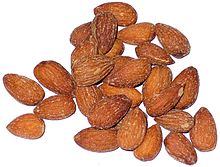
Almonds: Just like cashew nuts, almonds too are considered to be extremely poisonous if not treated before consumption. In the crude form these nuts are exposed to heat in order to make them edible.

====================================================

Cashew: Raw cashews contain urushiol, which is a poisonous chemical that can lead to death of a person. The ones that are available in the market are not in their raw form as they are steamed before being packed for consumption
====================================================
Potatoes: One of the most commonly eaten vegetable across the world, a potato plant is actually poisonous. Everything except the bulbs, that we consume, is extremely harmful. If you consume the leaves of the potato plant in surfeit quantities it can prove to be fatal.
====================================================
  
Mushrooms: Toadstools are poisonous mushrooms that must not be eaten. Mushrooms that are found in the wild are the harmful ones and can cause grave damage to the body. However, you must take note of the fact that not all mushrooms are poisonous.
====================================================
Rhubarb: Rhubarb is a plant with edible and flavorsome stems which are used as a part of a number of desserts. However the leaves of this plant contain an acid which is very harmful in nature.
Being observant about the quality and nature of food you consume is particularly imperative. Having complete knowledge and information about unusual foods is another important point to be taken care of.
 ====================================================
  
Cherries: The tiny little red fruit is enjoyed by most people and used in a number of ways. However, the seed of the cherry is poisonous in nature. It releases hydrogen cyanide in your body. You might feel uneasy, dizzy or even vomit. Extreme reactions include convulsions, kidney failure and heart related problems.
 ====================================================
 
Apple seeds: The fruit that actually keeps the doctor away has poisonous seeds that contain cyanide. However, the level of cyanide is low and does not cause extreme reactions. But health experts do not recommend eating apple seeds.

Beer – The bitter-better drink

Beer – The bitter-better drinkWe all know that red wine is rich in heart-friendly antioxidants. But did you know that your favourite beer could be healthier than you realise. Beer can help you lower the risk of heart diseases, strokes, gallstones and kidney stones!

Beer – The bitter-better drinkGone are the days when beer was associated with sagging bellies; your favourite pint is now gaining a status of a drink with health benefits – of course when consumed in moderation! This means, while men can consume about 710 ml of beer per day, women should limit it to 355 ml, to reap the health benefits. If you overdo it, just like any alcohol, beer too can take its toll on your health. So let’s look at the benefits and risks of drinking beer.


Benefits of drinking beer

Helps protect bones: Beer, when consumed in moderation, is said to protect your bone health as it is high in silicon content. Several studies have shown that beer may help in preventing bone loss and also rebuild bone mass in men and young women. However, no benefits have been seen in women in the post-menopausal stage.

Healthy heart: Just like an apple a day keeps the doctor away, a beer a day may help you keep heart diseases away. Moderate consumption of beer has many benefits and one of them is the significant increase in HDL (good) cholesterol. The good cholesterol has anti-clotting effects which keeps the blood vessels clear and healthy.
Healthy kidneys: A study conducted by Finnish researchers found that people who consumed beer were at a lower risk of developing kidney stones when compared to those who drank other types of alcohol. And this benefit could be due to the high water content in beer. In addition, the beer’s hops – a flower which gives beer its bitterness and also acts as a preservative —  is said to prevent kidney stones as it slows down the release of calcium from bones.
Apart from this, beer is also a rich source of vitamins, minerals such as magnesium, potassium, phosphorus and plenty of B vitamins.

Risks of drinking beer

Beer belly: Everyone says that drinking beer makes you fat or at least develop ‘beer belly’. The fact is that beer contains almost no fat or nutrition. However, it does contain a lot of calories. And if you are trying to lose weight, you must know that alcohol does not let your body burn a lot of stored fat for energy. Actually, when you drink beer, your liver produces a substance called acetate with the help of the alcohol in the beer and your body, instead of using the fat stored on your hips and belly, burns this acetate for energy.
Heartburns: Drinking too much beer can cause heart burn as it contains powerful stimulants of gastric acid secretion leading to gastro-esophageal reflux.
Dehydration: You would do anything for a mug of beer after a long day outside in hot weather. Though beer is 95 per cent water, it is a diuretic. And since the alcohol in the beer interferes with the release of an antidiuretic hormone in your body, it makes you rush to the bathroom more often than you like. So if you drink beer, you will lose fluid through sweating as well as urine, dehydrating you completely. Also, make sure never to drink beer instead of water.
In addition, beer can affect your blood sugar levels despite being low in sugar. As beer contains alcohol, it has the ability to drop the level of sugar in your blood. This will lead to low energy levels and if you end up drinking too much beer, you will surely hit the sack in minutes!
Well, we conclude that drinking beer might be good for you if it’s done in moderation. In fact most of the negative effects of drinking beer are due to excessive drinking. So if you actually want to gulp down a crate of beer at one go, do so, but at your own risk. However, make sure you drink a gallon of water to keep yourself hydrated!

Photograph via sxc.hu  Link

10 Things you shouldn't say to Your Boss

01. “That's impossible.” When your boss gives an assignment to you or a goal to your team, don't dismiss it as unattainable. Ideally you should find a way to meet your supervisor's expectations, but if something truly is not feasible, suggest an alternative. Example: “I like your plan for moving up the newsletter's schedule, but I'm not sure how we can make that happen this month with the other assignments we have. Is it OK if I postpone the XYZ deadline for a week to make the newsletter a priority?” 

02. “But we've always done it this way.” Just because you're comfortable with a particular way of doing things doesn't mean it's the best way for your team or organization. Be open to change. Sure, there will probably be an adjustment period with some confusion and kinks, but once you've learned the new system, it should be worth it.

03. “That's not my job.” Your boss knows your team members, their responsibilities and their skills. Trust that if the boss gives you an assignment, there's a good reason for it. Maybe your co-worker has another high-priority assignment, or maybe your boss thinks your skill set is better suited to the task. Impress your supervisor with your can-do attitude. If you're feeling swamped with assignments, address the issue this way instead: “I can do that, but I also have this assignment … How would you like me to prioritize everything?”

04. “I can't stand ___” or “I refuse to work with ___.” Be willing to work with everyone on your team. Otherwise, the boss may see the problem as your bad attitude, not the other employee. When a co-worker acts in a way that makes it difficult to work together, speak with the person directly. If that doesn't resolve the issue, ask your boss for advice. Example: “I've found that Carolyn has a hard time meeting deadlines, which makes it difficult for me to do my job when we work together. What do you suggest I do?” Note: If the issue is very sensitive—such as if the person is sexually harassing you or making racist comments—go to your boss about the problem immediately. Don't wait until you're assigned to work closely together.

05. “Oops ... I should have asked, but I didn't want to bother you.” Don't risk making a costly or time-consuming mistake just because you're too intimidated to speak up and ask questions. If you don't have enough information to complete an assignment well, ask follow-up questions until you feel confident that you understand what's expected of you. Your boss would much rather you take a bit more time on the front end of an assignment than spend extra time cleaning up a mess afterward.

06. “I figured you knew ...” Nobody likes to be blindsided, so don't put your supervisor in that position. Give your boss an opportunity to solve problems before taking them to his or her boss or to HR.

07. “I'm taking off these days for vacation.” By all means, you should use your vacation days. But don't assume that you can take off whenever you want; requesttime off. Your plans may coincide with another co-worker's or with a major deadline, and in either case your boss may have to decline your request. Never commit to travel plans without receiving your boss's OK first.

08. “Why haven't you accepted my friend request on Facebook?” It's great to have a friendly relationship with your boss, but don't kid yourself into thinking you're buddies. Keep your professional and personal lives separate, and don't seek to connect to your supervisor on social media platforms like Facebook (LinkedIn is an exception). Do you really want your boss to see everything that goes up on your Wall anyway? If your boss ignored your friend request, consider it a blessing and don't mention it.

09. “I don't get paid enough for this.” That kind of statement makes you sound like an entitled whiner, which won't impress your boss and certainly won't make you a stronger candidate for future promotions or raises. If you're feeling underpaid, undervalued or dumped on, schedule a meeting with your supervisor to talk about the issue calmly and respectfully. Have specific examples prepared to support your point.

10. “If you don't____, then I'll quit.” When your boss can't (or won't) give you what you ask for—whether it's a promotion, a raise, an enviable assignment or anything else—he or she knows that there's a chance you might seek another job. Stating that outright will only lead to awkwardness between you and your supervisor and may embarrass you later if you change your mind or are unable to find a new job

Top 14 Recommended Methods of Cancer Prevention

01. Drink Red Wine
Drink Red Wine: Red wine is made from skin of grapes which contains resveratrol and other phytochemicals that have antioxidant and anti inflammatory properties. Researches show that a glass of wine a day can prevent a wide range of cancers like leukaemia, skin as well as breast cancer. 
02. Eat Dark Chocolate
Eat Dark Chocolate: Flavonoids like pentamer, present in cocoa, has cancer-fighting properties. Dark chocolate is rich in cocoa and is certainly one of the tastiest ways to help you stay away from cancer. Pollution, radiations and bad living habits pave the way for various kinds of cancer. To effectively combat cancer, adopt a way of living that is pure and simple

03. Avoid Processed Foods

Avoid Processed Foods: Numerous studies have shown that processed foods and sugar can significantly increase the risk of cancer. Maintaining a healthy diet rich in all nutrients and supplements is one of the basic steps to fight cancer.

04. Steer Clear of Carcinogens
Steer Clear of Carcinogens: It is quite obvious that to prevent cancer, you need to strictly avoid all things that can cause cancer. Alcohol, cig@rettes and other recreational drugs are among the top causes of cancer.

05. Get Some Exercise
Get Some Exercise: An inactive lifestyle with no exercise can drastically increase the odds of cancer. Regular exercise strengthens the immune system and helps in the regulation of chemicals, enzymes and hormones in the body.

06. Sleep Soundly
Sleep Soundly: The human body requires a minimum of 8 hours of sleep to regulate all of its functions properly. Regular sleep helps in maintaining a healthy endocrine system and its ability to fight cancer. It is also essential to sleep in complete darkness to promote a healthy endocrine system.

07. Add Garlic to Your Meals
Add Garlic to Your Meals: Garlic has very powerful antioxidant properties. It also strengthens the immune system and helps to prevent cancer. Various studies have shown that garlic can exponentially decrease the odds of stomach cancer.

08. Reduce Hazardous Interactions
Reduce Hazardous Interactions: There are a variety of environmental factors that can cause cancer. Radiation from mobile phones and other electronic devices can increase the chances of cancer. Limit your exposure to the minimum to combat cancer.

09. Eat Broccoli
Eat Broccoli: Broccoli is one of the superfoods which can help you effectively prevent cancer. However, it is not recommended to microwave broccoli as it destroys its anticarcinogenic flavonoids. It is best to boil broccoli or eat it raw as a snack.

10. Pick power fruits
10. Pick power fruits: "I make smoothies with pomegranates and blueberries because my research shows that both these fruits contain compounds that can slow the growth of certain types of cancer cells." -Shuian Chen, Ph.D., director, Tumor Cell Biology Beckman Research Institute, City of Hope.

11. Keep the scale steady
Keep the scale steady: "More than 90,000 cancer deaths a year occur due to being overweight. Carrying as little as 10 extra pounds may increase your production of sex hormones like estrogen, raising your risk for breast and uterine cancers. I step on the scale every few days. If the number creeps up, I try to exercise a little more or eat a little less to get back on track." -Ann Kulze, M.D., director, Prevent Cancer Foundation.

12. Go Greek!
Go Greek! "My diet is mostly Mediterranean-plenty of fruits, vegetables, fish, olive oil, whole grains, nuts, and legumes. People who eat this way, exercise regularly, and don't smoke cut their odds of getting cancer by at least 60 percent."-Lorenzo Cohen, Ph.D., director, MD Anderson Cancer Center's Integrative Medicine Program.

13. Watch your Mouth
Watch your mouth: "Oral cancers are on the rise among people ages 20 to 40, which we believe is because of HPV spread through oral sex. I always look for unusual changes in my patient's mouth, like sores or blisters on the cheeks, tongue, or lips. It usually takes less than two minutes. If your dentist doesn't already do this, ask her to start." -Gigi Meinecke, D.M.D., a dentist in Potomac, Maryland.

14. Spice things up
Spice things up: "Cooking meat over high temps creates carcinogenic compounds called heterocyclic amines, or HCA. I marinate meat and add herbs before grilling. Our studies show that doing this can slash levels of HCA by 40 percent." -J. Scott Smith, Ph.D., chair, Kansas State University's Food Graduate Program.

Via — Link
Image — Thinkshot

Sabtu, 17 November 2012

8 Foods You Should Never Eat Out of Season


The Winter of (Foodie) Discontent — Nowadays, you can eat pretty much any fruit or vegetable you want, all year long. But should you? During the summer and fall, farmer's markets are brimming with local, organic food that was harvested within 24 hours and is usually at the peak of its freshness, flavor, and nutritional content. In the winter and early spring, however, you often have to rely on out-of-season produce that's traveled an average of 1,300 miles to get from commercial farms to your dinner table. The process is not only bad for the planet, but it also means you wind up with bland produce that's mealy and low on nutrients.


While some out-of-season eating is inevitable, there are certain fruits and vegetables you're better off buying frozen. Frozen produce, like fresh produce, has usually traveled long distances to get to your plate, but it at least was picked at the height of freshness and, studies have found, sometimes has a higher nutrient content than fresh produce (just watch for added salt, added to many frozen veggies). For an expert's take on what should only be eaten in season, we turned to Chris DiMinno, the chef at Portland, Oregon's modern gastropub Clyde Common.

01. Tomatoes
Photo — Link

DiMinno is adamant about eating fresh tomatoes when they're naturally ripe and delicious. "Eat them between early August and mid-to-late October, says DiMinno. "They can only gain their full potential sweetness and tenderness in the middle and late summer months." In the winter, bypass the cardboard-y orbs in the produce section and look for jarred, crushed tomatoes instead. Jars don't contain the toxic chemical BPA, which is used to line tin cans, and you can find organic jarred tomatoes made by Bionaturae and Eden Organics.

02. Peas 
Photo — Link

Fresh peas aren't easy to find, and with good reason; the true pea season, according to DiMinno, is only about two weeks long. "Only eat them in early spring, when they are the sweetest and the most tender. Other times of the year, fresh peas can be starchy, with little to no flavor," says DiMinno. If you're a diehard fan of peas, the chef advises stocking up on them in the spring, and shelling your peas and freezing them while their sugars are at their peak. If you're stuck with store-bought, look for Columbia River Organics frozen green peas, sold at Whole Foods stores. They contain no added salt.

03. Asparagus 
 Photo — Link

Another truly seasonal vegetable, asparagus is only good in early to mid spring, before the stalks become too woody. Otherwise, you just wind up with bland, limp stalks. Most out-of-season asparagus is grown in California or Washington, which could be local depending on where you live, but the U.S. also imports a fair amount from South America. Frozen asparagus, which doesn't usually contain added salt, is good in cooked dishes, or for a twist, try pickled asparagus, which you can find at certain specialty grocery stores and farmer's markets.

04. Wax Beans
 Photo — Link

Summer gardens often overflow with colorful wax beans, and it's the best time to savor them. Says DiMinno, "These are only good in the summer. Before and after, they can get very fibrous and have terrible color." If you prefer fresh, squeaky beans, you may be better off living without them until next summer, but in most recipes, wax beans can be used interchangeably with green beans, which Columbia River Organics sells without any added salt. Going with frozen is extra important with green beans, as tests from Consumer Reports have shown that canned green beans contained the highest levels of BPA of any canned food. 

05. Corn
 Photo — Link

Enjoy it while it lasts—corn is only at its prime in the late summer and early fall. Corn's sugar content is at its peak in September, says DiMinno, adding that it's best grilled or roasted in its husk and peeled afterwards. This helps the corn retain moisture and flavor. In the off-season, look for frozen corn. It's easy to find organic, nowadays, without added salt.

06. Mushrooms
 Photo — Link

Since every season has a mushroom, you can enjoy them year-round; just don't stray outside each variety's season: "Morels in the spring, truffles in winter and summer, chanterelles in the fall, lobster mushrooms in summer," says DiMinno. Because mushrooms are highly absorbent, don't clean them with water; instead, trim off the bottoms and clean off any residual dirt using a pastry brush. For a deliciously different side dish, make Marinated Mushrooms with Coriander.

07. Lettuces
 Photo — Link

Although lots of lettuces can be found year-round, DiMinno says that the best lettuces grow in late winter and early spring when it is still chilly outside. This allows the lettuce to achieve the maximum level of crispiness, as well as the highest sugar content, making early spring the best time of year for sweet, crunchy salads. In the off-season, rather than buy bagged lettuces, consider using lettuce alternatives like kale, as in this recipe for Black Kale Salad with Currants, or red or green cabbage, as in this Autumn Salad. The season for both of those greens lingers into the winter.

08. Peaches
Photo — Link

Peaches are a fruit with a fleeting season, and they don't hold up well when transported. For truly ripe, flavorful peaches, DiMinno says enjoy them only in the middle of summer. Other times of the year, look for peach butters (which can be made without extra sugar) and preserves made locally; don't even bother with frozen, according to a taste test hosted by the San Francisco Chronicle a few years back. "No flavor," was the general consensus among all their taste testers, who sampled frozen peaches from Safeway, Whole Foods, and Trader Joe's, among other brands.

Via — Link